
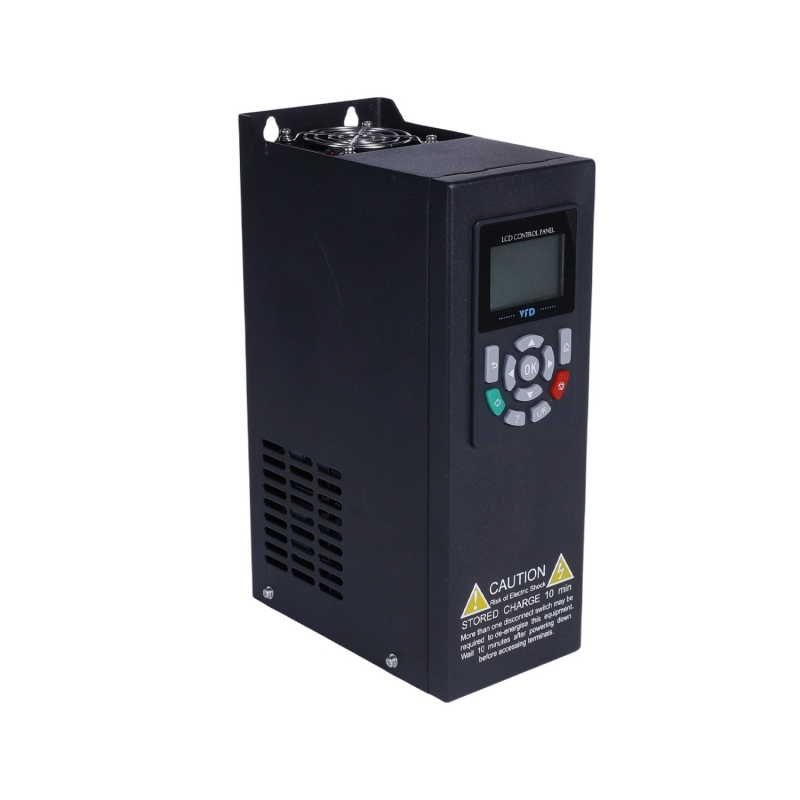
AE300-2R2G/004L-4 Inverter – V&T Drive
The AE300-2R2G/004L-4 inverter from V&T is designed for industrial motor control applications requiring stable operation and efficient performance. This compact drive helps improve automation system reliability while reducing energy consumption.
Industrial Drive Features
This variable frequency drive uses advanced control technology to regulate motor speed smoothly. Therefore, it reduces vibration and minimizes stress on connected equipment.
In addition, the system improves operational efficiency by adjusting output power according to load demand. As a result, industrial machines operate more effectively and consume less energy during operation.
Applications for Automation Systems
The drive is commonly used in conveyors, pumps, compressors, ventilation systems, mixers, and packaging equipment. Moreover, it performs efficiently in continuous industrial environments.
Because of that, it is suitable for factories and automation systems requiring precise speed regulation and reliable motor performance.
Energy Saving Benefits
The inverter supports energy-efficient operation by controlling motor output according to system requirements. Furthermore, smooth acceleration and deceleration help reduce unnecessary power consumption.
In addition, stable operation improves machine lifespan and lowers maintenance requirements. Therefore, industrial facilities benefit from improved long-term operational reliability.
Protection and Reliability
This industrial drive includes multiple protection features against overload, overheating, and voltage fluctuations. Moreover, the compact structure allows easy installation inside electrical control panels.
As a result, the system maintains reliable performance even under demanding industrial operating conditions.
Related Products
Industrial Inverters
Industrial Automation
Motors & Drives
Conclusion
In conclusion, this industrial inverter is a reliable solution for automation systems requiring efficient motor speed control, stable operation, and reduced energy consumption.


